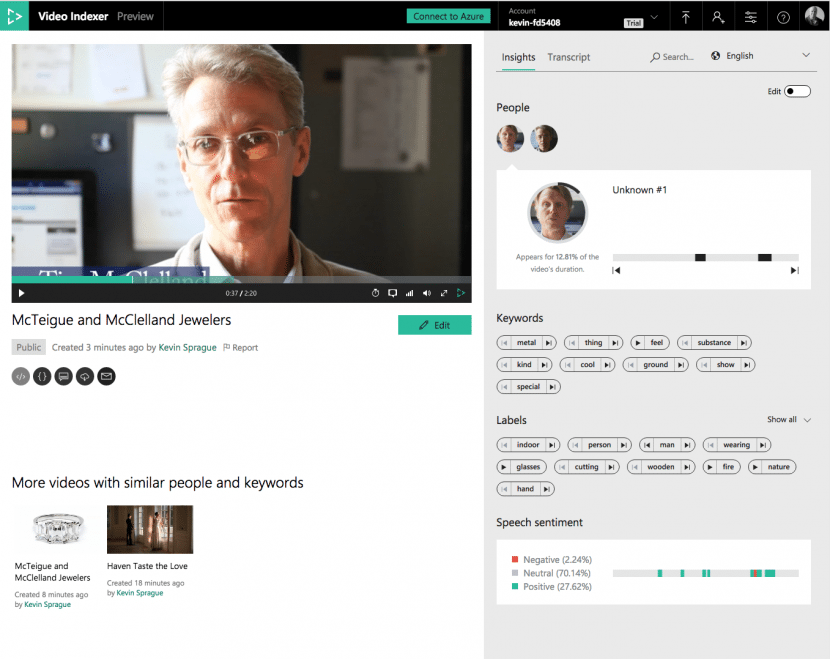
At Studio Two we manage nearly 1 million images and thousands of hours of video for our clients and projects. We’ve been careful to organize these assets over the years…
At Studio Two we manage nearly 1 million images and thousands of hours of video for our clients and projects. We’ve been careful to organize these assets over the years…

I’m digging around in the code repository and links from google.ai – it’s awesome… Here’s a neural net drum machine ( i did NOT make this) – learn ore about…

I’m using tools from SEMRush.com to get visibility into client website stats and the competition. If you would like to see some of these insights and get a free page…

I’m a big fan of Colleen Dilenschneider’s blog. Her focus is on cultural organizations (museums, theaters, etc.) and she writes in depth about audience engagement, demographic trends, marketing, social media…

Sometimes you just have to know when it’s time to give up the past and move into the future. I’m talking about technology here. Watching the revelations in 2016 and…
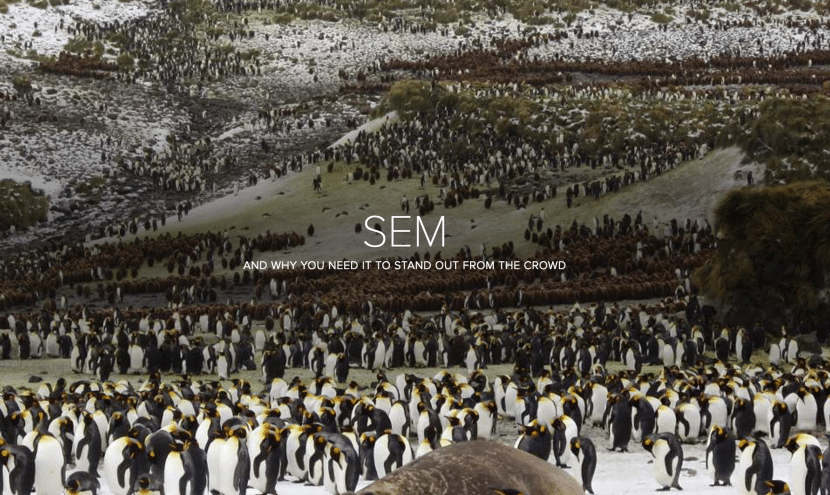
I’ve put together a pretty comprehensive presentation to help people understand the roles that SEO (Search Engine Optimizations) and SEM (Search Engine Marketing) play in marketing and audience building. I…

For about a year now I’ve been focusing on working – as much as possible – with my clients via online meeting tools. These include Skype, Google Hangout, GoTo Meeting…

At Studio Two we get called on all the time to help our clients develop their brands – it’s what we do. Sometimes this involves the challenge of naming a…

There’s a difference between intelligence and knowledge. Intelligence is our ability to process, understand, analyze and think. Knowledge is the specific information we possess and have proficiency in. We can…

Everyone encounters obstacles in their work and life. Some of these are daunting, some overwhelming, some impossible – or seemingly so. For many people the obstacles in their way are…

When we are young and go to school almost everyone spends time learning another language – french, spanish, latin. The precept is that learning a new language expands our minds…
I’ve been investing a lot of time recently researching the state of the art of inbound marketing and content marketing – from Hubspot a definition: “Since 2006, inbound marketing has…


© 2024 Kevin Sprague.